
Firstly, strengthening personnel's safety awareness and training is the foundation for ensuring the safety of loading and unloading operations. All personnel involved in loading and unloading operations must undergo professional training and hold certificates to work, master necessary safety operation procedures, emergency handling knowledge, and equipment usage methods. Especially for operators of special equipment (such as forklift drivers, crane operators, etc.), regular retraining and assessment should be conducted to ensure that they have good operating skills and safety awareness.
Secondly, standardizing operation procedures and on-site management is crucial. Before loading and unloading operations, the working environment should be thoroughly inspected, including whether the ground is level, whether lighting is sufficient, and whether there are obstacles; at the same time, reasonable loading and unloading plans should be formulated according to the type, weight, and volume of the goods to avoid overloading and unbalanced loading situations. Clear safety warning signs should be set up during the operation, and work areas should be demarcated, preventing non-operators from entering to prevent accidents.
Thirdly, attaching importance to equipment maintenance and inspection is also an important link in ensuring safety. The mechanical equipment used in loading and unloading operations, such as forklifts, cranes, and conveyors, must be regularly inspected and maintained, and worn-out or damaged parts should be replaced in time to prevent equipment failures from causing accidents. At the same time, pre-operational checks should be conducted to ensure that all functions are normal before use.
In addition, it is indispensable to implement safety protection measures. During loading and unloading, the operating personnel must wear necessary personal protective equipment, such as safety helmets, anti-slip shoes, and reflective vests; for high-altitude or lifting operations, safety nets and guardrails should be set up to prevent falling accidents. Loading and unloading operations should be suspended in severe weather conditions (such as strong winds, heavy rain) to avoid risks brought by uncontrollable factors.
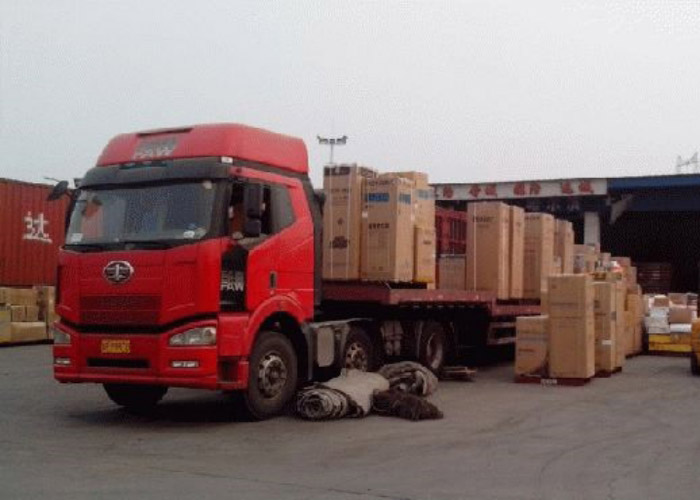 inally, establishing and improving safety management systems is the guarantee for the long-term stability of loading and unloading operations. Enterprises should formulate comprehensive safety operation procedures and emergency plans for loading and unloading operations, clarify the responsibilities of each position, implement responsibility systems, regularly organize safety drills and accident隐患 inspections, promptly rectify problems found, and prevent accidents from happening.
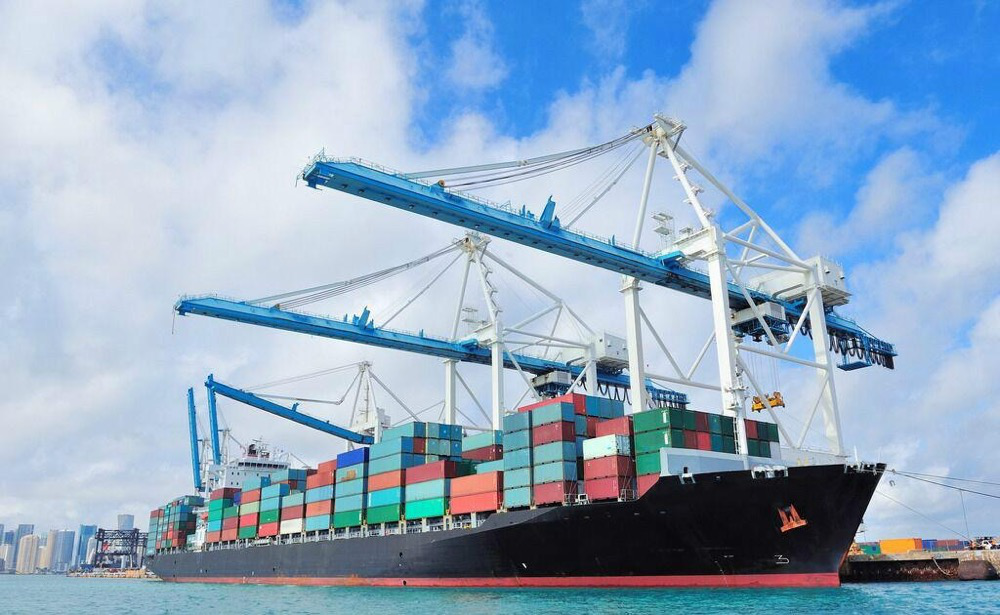 In summary, the safety of loading and unloading operations is related to the safety of personnel's lives and the normal operation of enterprises. It is necessary to take multiple aspects into account, such as personnel training, equipment management, and system implementation, to form a comprehensive safety management mechanism involving all personnel, the entire process, and all aspects. Only by贯穿于装卸作业始终,can the goal of efficient and safe work be truly achieved.
Prev:How to ensure confidentiality in military transportation
Next:How to ensure traffic safety?

