
Firstly, the coordination between procurement and logistics helps to enhance the flexibility and response speed of the supply chain. When the procurement department formulates procurement plans, if it can communicate fully with the logistics department, it can better arrange transportation methods, delivery times, and warehousing plans, avoiding logistics delays or inventory congestion caused by information asymmetry. For example, in industries with significant seasonal demand fluctuations, timely logistics response can ensure that raw materials or goods arrive on time, ensuring the continuity of production or sales.
Secondly, the coordination between procurement and logistics helps to optimize inventory management. Through information sharing, the procurement department can make more accurate procurement plans based on logistics data (such as transportation cycle, arrival time, etc.); while the logistics department can arrange transportation and warehousing resources according to the procurement plan, avoiding the risk of overstock or stockout. This collaborative mechanism can effectively reduce inventory capital occupation and improve capital turnover efficiency.
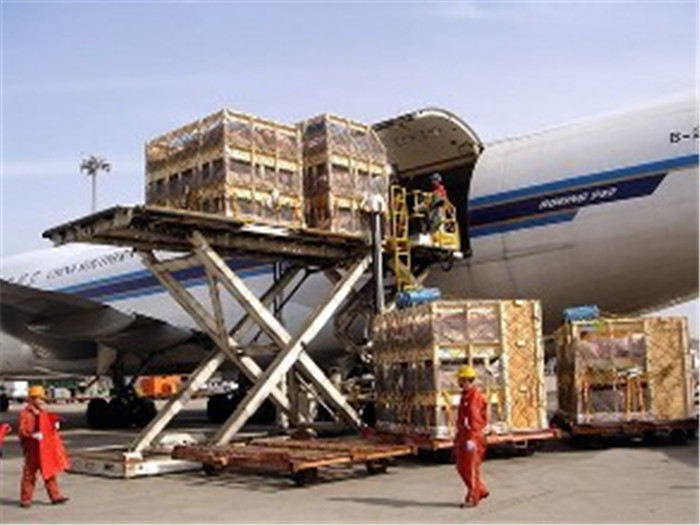 In addition, the coordination between procurement and logistics also manifests in cost control. Logistics costs usually account for a large proportion of an enterprise's operating costs, and procurement decisions directly affect the frequency, batch size, and transportation distance of logistics. By jointly optimizing procurement batch and transportation plans, enterprises can achieve scale transportation, reduce unit transportation costs, and reduce additional logistics expenses caused by frequent procurement.
To effectively promote the coordination between procurement and logistics, enterprises should establish a unified information management system to achieve data sharing and real-time updates among departments such as procurement, logistics, production, and warehousing. At the same time, enterprises should strengthen inter-departmental communication mechanisms, regularly hold coordination meetings, and ensure that all parties maintain consistency in planning and execution.
In summary, the coordination between procurement and logistics is the key to improving the efficiency of a company's supply chain. Only by achieving information interconnectivity, synchronized planning, and shared resources can a company win the first move in the fierce market competition and build an efficient, agile, and low-cost supply chain management system.
Prev:How to control the temperature in cold chain transportation
Next:How to cover the countryside

