
 he basic principle of RFID technology is to achieve automatic identification of the target object through radio waves. A complete RFID system usually consists of three parts: electronic tags (Tag), readers (Reader), and back-end databases (Backend System). The electronic tag is attached to the goods that need to be identified, internally storing a unique identification code or other relevant information; the reader emits radio frequency signals through the antenna and receives the response signals from the tag to complete data reading; the back-end database is used to process and store the data obtained from the reader, facilitating subsequent analysis and management.
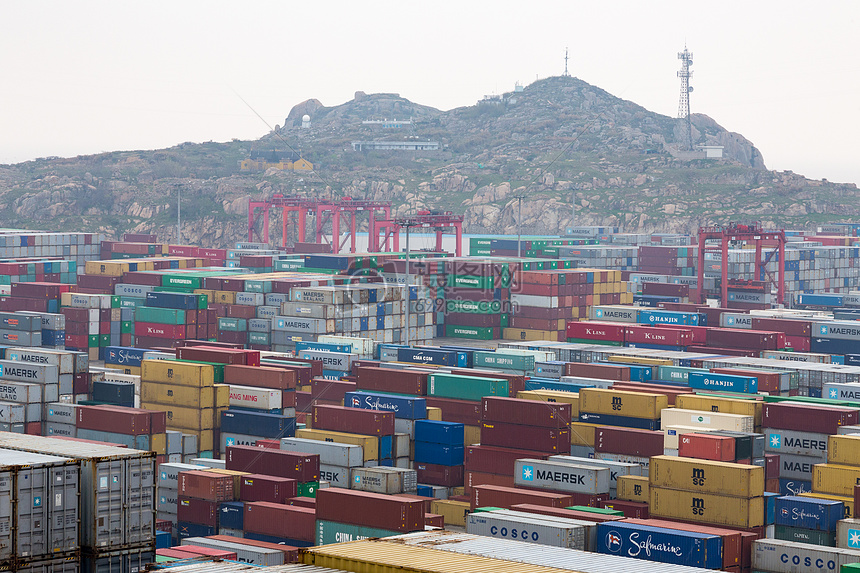 n the process of goods identification, when goods with RFID tags enter the working range of the reader, the tag will receive the radio frequency signal emitted by the reader and be activated. After activation, the tag will send the information it stores to the reader, and the reader will then transmit these information to the back-end system for processing. The entire process does not require human intervention and can be completed in high-speed motion, greatly improving the efficiency and accuracy of identification.
Compared with the traditional barcode identification method, RFID technology has significant advantages. Firstly, RFID tags can be read in batches, without the need for individual scanning, which is suitable for the rapid management of large quantities of goods in and out of storage. Secondly, RFID tags can be rewritten with information, facilitating dynamic updates of the status of goods. In addition, even under harsh environments (such as dust, oil stains, insufficient light), the RFID system can still work stably, with stronger adaptability.
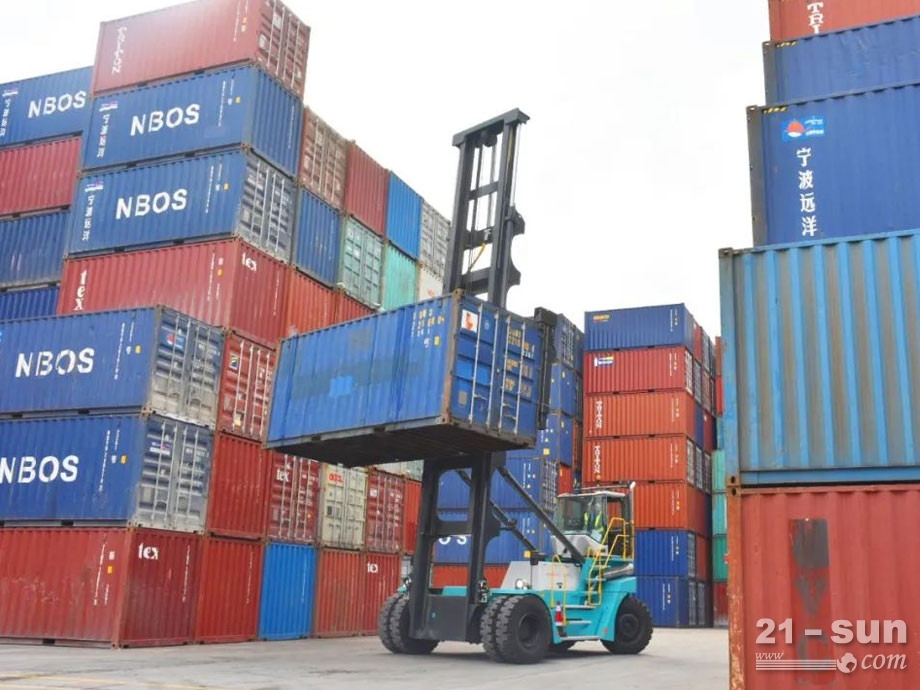 Currently, RFID technology has been widely used in many fields such as supply chain management, intelligent warehousing, and retail payment. For example, in warehousing management, enterprises can use RFID to track the location of goods in real-time, reducing the cost of manual inventory; in logistics transportation, the use of RFID can achieve full-process monitoring of the transportation route and status of goods, enhancing the transparency and safety of logistics.
In summary, RFID technology, with its characteristics of high efficiency, accuracy, and intelligence, is constantly promoting the innovation of goods identification and management methods. In the future, with the development of the Internet of Things and artificial intelligence, RFID will play a greater role in intelligent logistics, intelligent manufacturing, and other fields, becoming an important basic technology for building a smart supply chain.
Prev:How does railway transportation schedule carriages?
Next:How does the automated warehouse operate?

