
In the event of emergencies or natural disasters, emergency transportation, as an important link in the emergency rescue system, is directly related to the efficiency of personnel rescue, material allocation, and post-disaster recovery. How to scientifically and efficiently carry out emergency transportation scheduling is an important issue that the government, enterprises, and social organizations must face together.
Firstly, emergency transportation scheduling needs to take 'rapid response' as the core principle. Emergency situations often have the characteristics of strong spontaneity and wide impact range, so after receiving emergency tasks, relevant departments should promptly initiate emergency plans, mobilize available transportation resources (such as vehicles, ships, aircraft, etc.), and ensure that relief materials and personnel are delivered to the disaster area as soon as possible. This requires the scheduling system to have a high level of automation and informatization to enable real-time understanding of traffic conditions, resource distribution, and changes in the disaster situation.
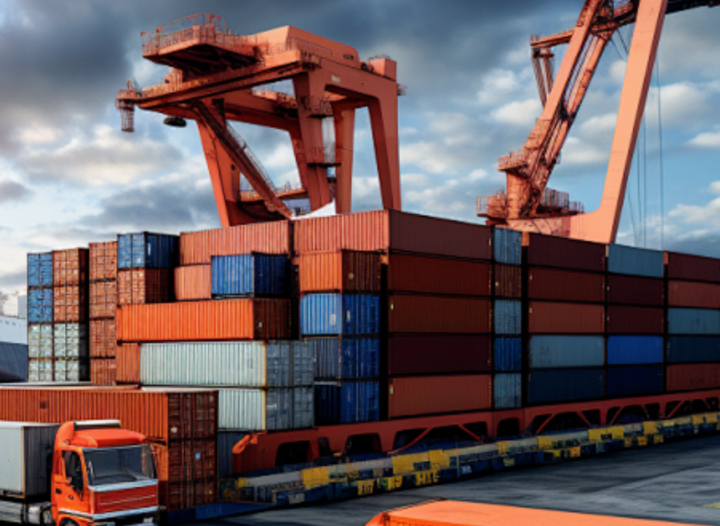 econdly, accurate information collection and analysis is the premise for scientific scheduling. Emergency management departments should establish an interdepartmental linkage mechanism with transportation, meteorology, communication, and other departments to timely obtain information such as road access conditions in disaster areas, distribution of affected populations, and material needs. Through big data technology and artificial intelligence algorithms, integrate and analyze various data, formulate the optimal transportation routes and distribution plans, and avoid waste of resources or uneven distribution.
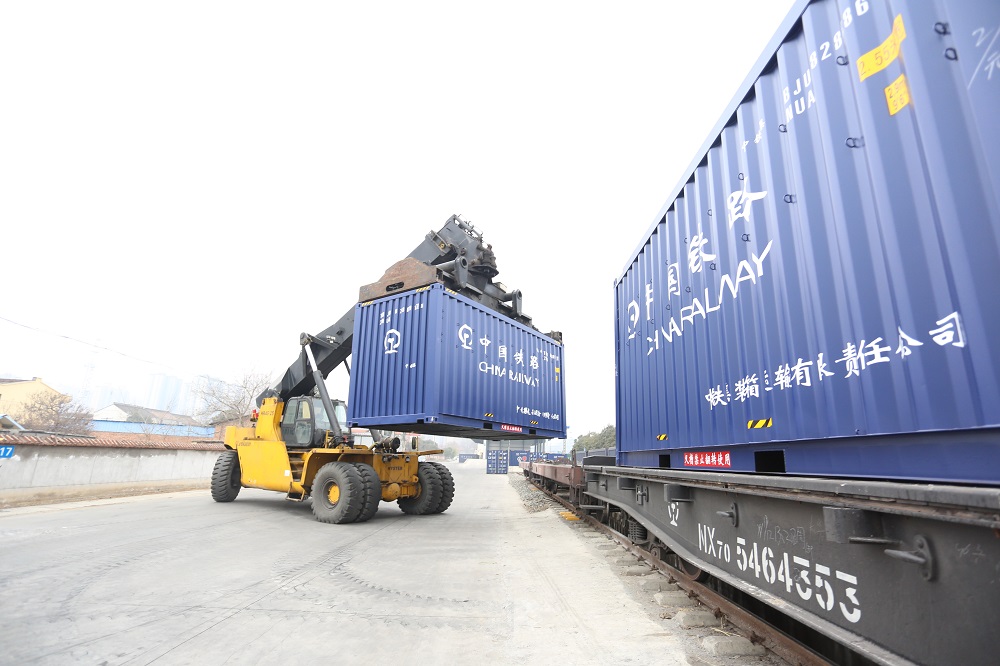 Again, the diversified selection of transportation modes is a key factor in improving scheduling efficiency. In practice, a single mode of transportation often fails to meet complex emergency needs. For example, in the event of road blockages, helicopter air drops of supplies can be initiated; in remote areas, water transportation or rail transportation may be more efficient. Therefore, building a multi-modal transportation system and achieving seamless connection between various modes of transportation is an important means to enhance emergency response capabilities.
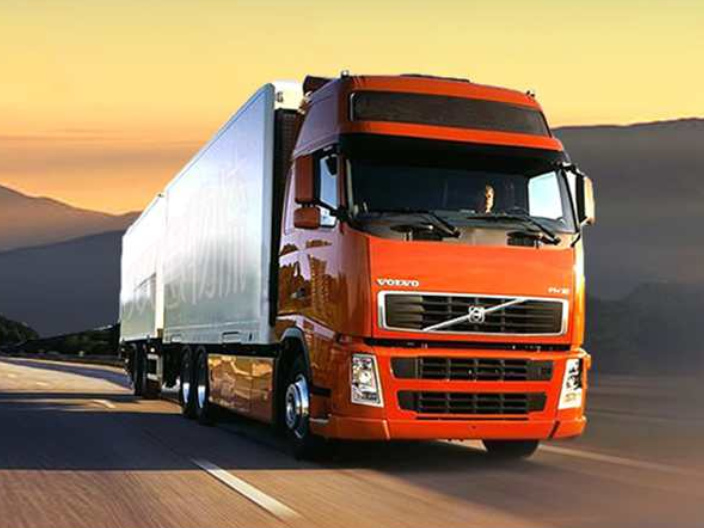 n addition, strengthening the construction of emergency transportation teams cannot be neglected. Regular exercises and training should be organized for transportation personnel and dispatchers to enhance their response and collaborative combat capabilities in complex environments. At the same time, an emergency transportation volunteer team should be established to form a multi-level emergency transportation support system with government leadership and social participation.
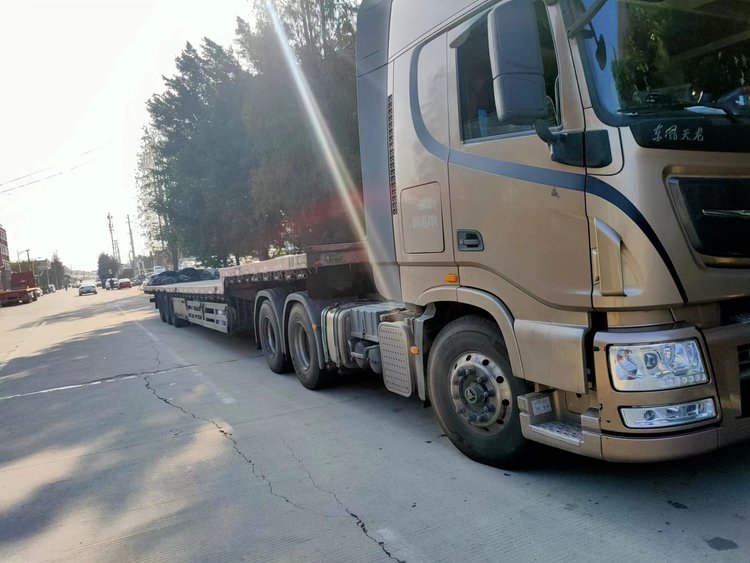 Finally, attention should also be paid to the post-operation evaluation and optimization of emergency transportation scheduling. After each task is completed, a comprehensive review of the scheduling process should be carried out, summarizing experience and lessons, and continuously improving the scheduling mechanism and technical means accordingly, thereby enhancing the overall emergency management capability.
In summary, emergency transportation scheduling is a highly systematic and professional task. Only on the basis of rapid response, information support, multi-modal coordination, talent guarantee, and continuous optimization can efficient emergency transportation management be achieved, providing a solid guarantee for dealing with emergencies.
Prev:How to safely transport hazardous chemicals
Next:How to schedule inventory transfer operations

